Money guides (general information)
Plain-English guides to understanding your cashflow and building good money habits. Not financial advice.

Budgeting 101: A simple monthly plan you'll actually keep
A budget is a plan, not a punishment. This simple monthly system tells your money where to go before you spend it - no spreadsheet needed.

What cashflow actually is (and why tracking it matters)
Your balance is a snapshot; your cashflow is the movie. Learning what cashflow means shows whether you're building room or running down.

Emergency fund: how much and how to build it
An emergency fund keeps a surprise from turning into debt. See how much to aim for, where to keep the money, and how to build it in small, steady steps.
How to track your spending without living in a spreadsheet
You don't need a spreadsheet to get your money in order. Learn a simple system that sorts transactions for you, then spot the patterns worth changing.

What is net worth and how to calculate it
Learn how to calculate your net worth, what counts as an asset or liability, and why the direction it moves matters more than the number itself.

How to save money when income is tight
Practical ways to save money on a low income: start tiny, automate it, plug the leaks in your spending, and cut bills before you cut the treats.

Cut your subscriptions and recurring bills
A quick audit of your subscriptions and recurring bills reveals where your money quietly goes. Here is how to list them, question them and cancel what you do not value.

Pay yourself first: what it means and how to do it
Pay yourself first flips the usual order so saving happens at the start of each payday. Here is how to set the amount and automate it to make it stick.
Fixed vs variable expenses (and why it matters)
Fixed expenses stay the same each month; variable expenses change. Knowing which is which makes budgeting realistic and helps you spot where you can actually cut back.

How to plan when your income isn't steady
Freelancing, gig work, commission, or seasonal jobs make income uneven. Plan around your lowest month, keep a bigger buffer, and pay yourself a steady amount.

How to get out of debt: a practical start
Getting out of debt comes down to a plan you can keep. Compare the avalanche and snowball methods, spot the traps, and start with the right first step.

Should you buy or rent? What to consider
Buying isn't automatically better than renting. It's a trade-off between stability and flexibility, and the right call depends on how long you'll stay and the extra costs.

How to actually read your payslip
Your payslip is the source of truth for your cashflow. Learn the gap between gross and net pay, what each deduction is for, and why budgeting off your net amount works best.
How to Read a Credit Card Statement: A Plain-English Walkthrough
Learn how to read your credit card statement without getting lost in balances, dates, fees and interest. Start with the five lines that matter, then check the details with confidence.

Separating wants from needs (without being miserly)
You don't have to cut everything that brings you joy to stay on budget. Learn a simple test to sort needs from wants, so spending becomes a choice rather than a surprise.

How to plan a big purchase (and not wreck your budget)
A car, a holiday, or a new laptop shouldn't blow up your savings. Learn to set a target and deadline, separate the money, and cost the whole thing—not just the sticker price.

Sinking funds: the simple fix for bills that aren't monthly
Car registration, insurance, holidays and school costs never feel like a surprise - yet they still wreck the month they land. A sinking fund turns each lumpy bill into a small monthly transfer.

Automate your money: a payday routine that runs without willpower
The best money system is the one you do not have to remember. Here is how to arrange your payday so savings, bills and debt payments happen before you get a chance to spend the money.

Got a lump sum? A calm plan for a bonus, refund or windfall
A bonus, tax refund or inheritance disappears fastest when you decide what to do with it in the same week it lands. Here is an order that holds up under pressure.

Grocery budgeting without misery: a weekly shop that still feels normal
Food is easy to overspend on and painful to cut too hard. This weekly grocery system protects both money and meals.

Bucket bank accounts: a simple setup for bills, spending, and saving
Multiple bank accounts can make money easier to manage when each account has one job. Here is a plain-English setup.
Emergency fund or debt first? A calm order for tight paydays
When money is tight, saving and debt payoff can feel like competing goals. This guide gives a practical order.

No-Spend Month Reset: How to Pause Extra Spending Without Burning Out
A no-spend month works best when it has clear rules, real exceptions, and a plan for the money you free up. Here is a practical reset.

Bills Before Payday? Match Every Due Date to Your Payday
A bills calendar puts every due date where the right payday can cover it, shows the squeeze before the month starts, and tells you what to do next when a payday is too heavy.

Weekly Money Reset: A 30-Minute Routine to Keep Your Budget Honest
A weekly money reset helps you catch bill shocks, spending leaks, and savings gaps before they turn into a month-end scramble.

Before You Apply for a Loan: What to Check in Your Own Finances
Before you apply for a loan in Australia, the numbers that decide it are your own: income, existing debts, spare cash and application timing. Run this checkup first.

After a Raise: Work Out What Actually Changed, Then Give the Extra Money a Job
An Australian guide: after a pay rise, bonus or better job, work out what actually changed and give the extra money a job — one sorting key applied in order, one action for each result, and a test that the raise stuck.

Joint Accounts for Couples: Share Bills Without Losing Control
An Australian guide to joint accounts: how shared bills accounts behave, what the mandate controls, and how to keep your money safe.

Vacation Budget: Plan a Trip Without Bringing Debt Home
Build a simple vacation budget before you book: estimate the full trip cost, save monthly, set daily spending limits, and come home without credit-card regret.

Envelope Budgeting Without Cash: A Simple Way to Stop Overspending
Use envelope budgeting without carrying cash: set category limits, track spending, handle online bills, and reset the plan each payday.
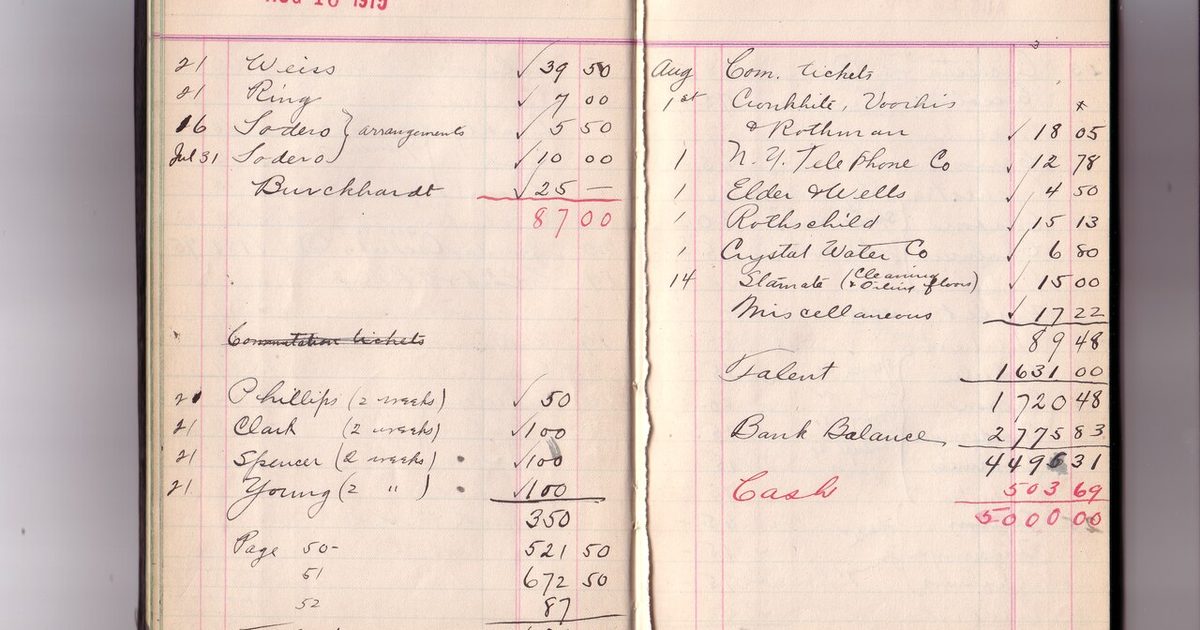
Personal Cash Flow Statement: A Simple Template for Seeing Where Money Goes
Build a personal cash flow statement in plain English: track money in, money out, timing gaps, and the next move for your budget.
Guilt-Free Spending Money: Build a Budget That Lets You Enjoy Life
Feel bad after buying something non-essential? Build a guilt-free spending plan with simple limits, pause rules, and a review habit that keeps joy and bills in balance.
Money Habits That Keep You Stuck: Small Fixes That Make Cashflow Easier
Small money habits can quietly keep your cashflow tight. Use these plain-English fixes to spot leaks, set better defaults, and make payday feel less fragile.

Avoid Bank Fees: A Plain-English Checking Account Cleanup Plan
Bank fees are easiest to beat when you know which rule triggered them. Use this calm account cleanup to spot charges, avoid repeat fees, and decide when to switch.
Why Your Credit Card Statement Numbers Don’t Match What You Spent
Credit card statement explained in plain English: why balances, pending charges, payments and interest can make the numbers look wrong.

What Is a Credit Card Statement? The Document Explained
A credit card statement records one closed period of account activity. Learn what the balances, dates and transaction lines mean before you compare them with a live app view.

Find Every Subscription You Are Paying For: A 20-Minute Audit
A plain-English subscription audit for finding recurring charges in bank statements, app stores, phone bills and payment apps, then deciding what to cancel first.

What Shows Up on a Credit Card Statement
A plain-English inventory of the balances, dates, transactions, payment fields and account details that can appear on a credit card statement.
What a Minimum Repayment Actually Does to a Card Balance
The minimum repayment is a slice of your closing balance, so it shrinks as the balance shrinks. Here is the arithmetic behind it, month by month.
How the HECS Repayment Threshold Works Out of Your Pay
The minimum repayment income for 2026-27 is $69,528, and it is compared with repayment income rather than salary. Here is how the bands work, and where the payslip figure and the annual bill part company.

Two to Sign or Either to Sign: What Account Authority Actually Means
A joint account can be arranged so every withdrawal needs both signatures, or so either holder can act alone. Here is what changes with each rule, and what stays the same.

How Long a Default Stays on Your Credit Report, and What Changes That
A default is listed for a set period, and paying it does not delete it. Here is what ASIC's Moneysmart says about the timings, the conditions, and what can actually be corrected.