Blog / Personal Cash Flow Statement: A Simple Template for Seeing Where Money Goes
Personal Cash Flow Statement: A Simple Template for Seeing Where Money Goes
A budget tells your money where to go. A personal cash flow statement shows where it actually went, and whether the timing of income and bills is helping or hurting you. If your account looks fine on payday but thin before the next one, this template gives you a clearer way to see the gap and fix it.
What a personal cash flow statement is
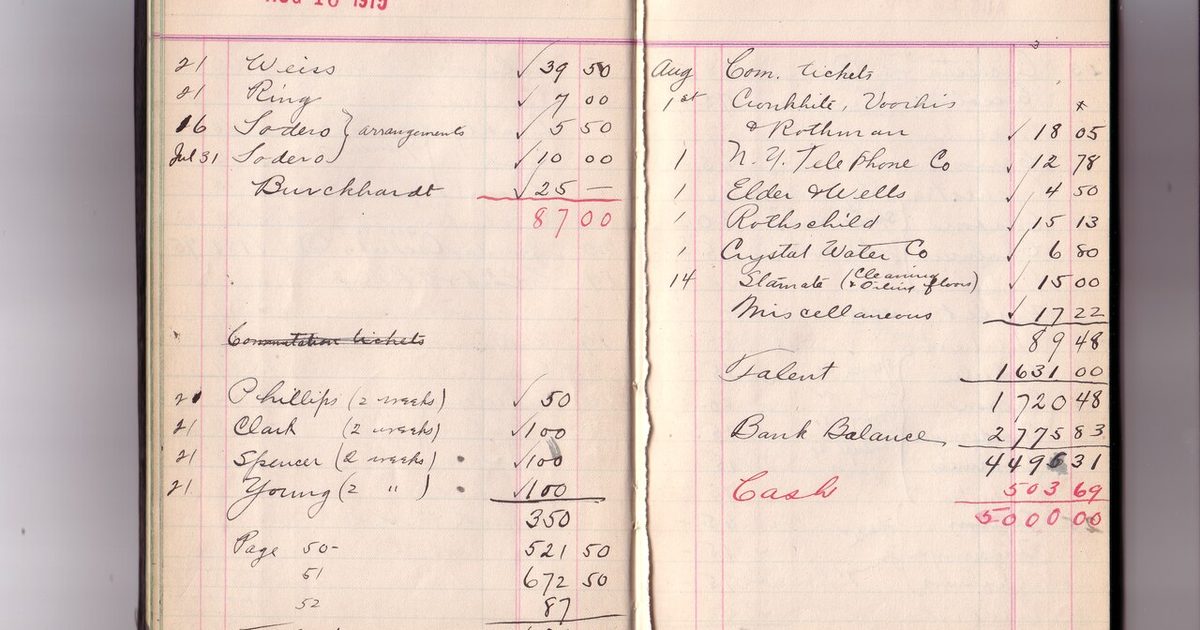
A personal cash flow statement is a simple record of money coming in, money going out, and the cash left at the end of a period. Most households can use a monthly version, but a weekly view is better if bills and paydays do not line up neatly. The point is not accounting perfection. The point is to answer one practical question: after normal income and normal spending, are you moving forward, standing still, or quietly using savings and credit to cover the gap? Unlike a budget, which is a plan, a cash flow statement uses what actually happened. That makes it useful when your spending feels hard to explain. You may know rent, groceries, petrol, subscriptions, and debt payments are all part of the month, but seeing them in one statement turns a foggy feeling into a list you can act on. MoneySights readers often start with a budget, then use this statement as the checkup that keeps the budget honest.

The simple template
Use four blocks: starting cash, cash in, cash out, and ending cash. Starting cash is the money available at the beginning of the period across your everyday account, wallet, prepaid card, and any account you use for normal bills. Cash in includes wages, benefits, side income, refunds, reimbursements, and transfers from savings if you used them for spending. Cash out includes bills, groceries, transport, debt payments, savings transfers, gifts, and irregular expenses. Ending cash is starting cash plus cash in minus cash out. For example, if you start the month with 650, receive 3,800, and spend 4,100, the ending cash is 350. That is not automatically bad if you planned to use savings for an annual bill. It is a warning sign if the same pattern happens every month and you do not know why. Keep the first version plain: one page, broad categories, and enough detail to spot the next decision.
Choose the right period: weekly or monthly
Monthly statements are easiest because many bills are monthly, but they can hide timing problems. A person may have positive cash flow for the month and still run short in week three because rent, insurance, and a loan payment all land before the second pay. Weekly cash flow solves that. Write the starting balance for week one, add income received that week, subtract expenses paid that week, then carry the ending balance into week two. The Consumer Financial Protection Bureau uses this weekly approach in its cash flow budget tool because timing matters as much as totals. If your income is steady and bills are predictable, a monthly statement is usually enough. If you are paid casually, paid fortnightly, self-employed, or juggling benefits and part-time work, use weekly rows. The smaller view shows where a bill needs moving, where a buffer is needed, or where spending must pause until income arrives.
Gather the numbers without making it a project
Start with one month of bank and card transactions. Do not wait until you have perfect categories or a beautiful spreadsheet. Export transactions if your bank allows it, or open statements and write totals into a notes app. Put income into a few clear lines: main pay, second pay, benefits, side work, refunds, and other. Put spending into fixed bills, variable essentials, debt payments, savings transfers, and flexible spending. Fixed bills are things like rent, insurance, phone plans, and subscriptions. Variable essentials are groceries, utilities, medicine, fuel, and other must-pay costs that change. Flexible spending covers restaurants, hobbies, small treats, and impulse buys. Cash withdrawals need a label too. If you cannot remember where the cash went, mark it as cash spending rather than pretending it did not happen. The first statement may be rough, but rough and complete is better than neat and missing half the month.
Avoid double-counting transfers
Transfers are the part most people get wrong. If you move 300 from checking to savings, that is a cash outflow from the spending account, but it is not a household expense in the same way groceries are. If your statement is meant to show everyday cash available, include savings transfers as money leaving the spending pot. If your statement is meant to show whole-household cash across all accounts, do not count transfers between your own accounts as spending. Pick one view and stay consistent. Debt payments also need care. The full payment is cash leaving today, so include the payment amount in cash out. If you are also tracking net worth, the principal part may reduce a liability, but that is a separate report. The cash flow statement cares about whether enough money was available when the payment was due. Mixing cash flow and net worth in one table is how people create a fake surplus or a fake crisis.
Read the result: surplus, shortfall, or timing gap
Once the statement is filled in, look for one of three results. A surplus means cash left over after normal spending. The next question is whether that surplus has a job: emergency fund, debt reduction, sinking funds, retirement, or a planned purchase. A shortfall means spending was higher than income for the period. That may be fine for a planned one-off, such as a car repair paid from savings. It is a problem if it repeats, because the missing money will usually come from credit cards, overdrafts, or shrinking savings. A timing gap is different. The month may be positive, but one week dips too low before income arrives. That calls for a bill-date change, a small buffer, or a payday routine, not necessarily a total lifestyle overhaul. The statement helps you avoid using the wrong fix. Cutting coffee will not solve a rent timing problem. Moving a due date will not solve a genuine monthly deficit.
Turn the statement into a weekly cash plan
After you know the pattern, convert it into a simple plan for the next month. List each payday, then list the bills and regular costs that must be covered before the following payday. Set aside money for non-monthly bills using sinking funds, because annual insurance, school costs, gifts, and car repairs are still real expenses even when they do not arrive every month. Then set a weekly spending number for groceries, transport, and flexible spending. This is where a cash flow statement becomes useful instead of just interesting. If the statement shows that 420 usually disappears into flexible spending, decide whether that number is acceptable before the month starts. If it is not, set a lower amount and choose what changes. Maybe takeaway drops to once a week, subscriptions get cut, or gift spending gets planned earlier. The decision is easier when you are changing one line, not judging your whole personality.
What changes if income is irregular
Irregular income needs a more cautious version of the same template. Use a baseline income figure that you can reasonably rely on, not your best recent month. If you freelance, work shifts, earn commissions, or rely on casual hours, separate must-pay expenses from nice-to-have expenses. The first job of positive months is to build an income buffer, because that buffer pays you during thin weeks. In the statement, show transfers into the buffer as cash out from everyday spending, and transfers out of the buffer as cash in when you need them. This makes the smoothing visible. Without that line, it can look as if savings are randomly disappearing. A good rule is to plan fixed commitments on conservative income and let extra income fund faster goals only after essentials are covered. That may feel slower, but it prevents a strong month from locking you into payments that a weak month cannot carry.
Common mistakes that make the statement useless
The first mistake is using hoped-for numbers instead of actual numbers. If groceries were 760, write 760, even if the budget said 600. The second is hiding small card purchases in a vague “miscellaneous” line. A small misc line is fine; a huge one means the statement is not telling the truth yet. The third is ignoring annual and quarterly costs. They do not happen monthly, but they still need a monthly set-aside or they will look like emergencies. The fourth is treating credit card spending as free until the bill arrives. If you buy groceries on a card, record the grocery spending when it happens, then avoid counting the later card payment as a new grocery expense. Finally, do not make the tool too complicated. If the template takes hours, you will stop using it. A statement you update in 20 minutes each week beats a perfect workbook abandoned after one weekend.
Pros and cons of using a cash flow statement
Pros: it shows the truth after money has moved, not just the plan before spending starts. It catches timing gaps that normal monthly budgets miss. It works for steady incomes, irregular incomes, couples, single-person households, and anyone rebuilding control after debt or a big life change. It also makes better conversations possible because the numbers are visible instead of emotional. Cons: it requires honest transaction review, and the first pass can feel uncomfortable. It will not make decisions for you. If income is too low for essentials, the statement can show the gap, but you may still need bigger moves such as income support, debt advice, renegotiating bills, or changing housing and transport costs. It is also not a full financial plan. You still need separate thinking for insurance, retirement, tax, and long-term goals. Treat it as the dashboard for everyday cash, not the whole car.
A worked example you can copy
Here is a plain version. Starting cash: 500. Income: pay 3,200, side work 250, refund 80, total cash in 3,530. Cash out: rent 1,400, utilities 260, groceries 620, transport 240, insurance 180, phone and internet 110, debt payments 300, subscriptions 65, medical 90, flexible spending 420, savings transfer 200, total cash out 3,885. Ending cash: 145. The household did not “overspend” in the dramatic sense, but cash fell from 500 to 145. If next month starts with only 145 and has the same pattern, the account may hit zero before the next payday. The useful next steps are clear: check whether flexible spending can drop by 150, move 100 less to savings until the buffer is rebuilt, or call a provider to shift a due date. The statement turns a stressful feeling into three options you can test.
Verdict: when to use this template
Use a personal cash flow statement when the budget looks reasonable but the bank balance keeps surprising you. It is best for spotting timing gaps, repeated shortfalls, and categories that need a firmer limit. Skip the complicated spreadsheet at first; a one-page version with honest numbers is enough. The main trade-off is that you must look at real transactions, not guesses. For most households, that discomfort is worth it because the next move becomes much clearer. If you want a broader starting point, pair this with the MoneySights guide to budgeting basics at /blog/budgeting-101 so the plan and the reality check work together.
Questions
How often should I update a personal cash flow statement?
Weekly is best while you are learning your pattern or dealing with tight timing. Monthly is fine once bills, spending, and income are predictable. The key is to update it before small gaps turn into card debt or overdraft fees.
Is a cash flow statement the same as a budget?
No. A budget is the plan for where money should go. A cash flow statement records where money actually went and when it moved. Use the statement to improve the next budget.
Should savings count as an expense?
If you are measuring cash available in your spending account, yes, a transfer to savings is cash leaving that account. If you are measuring all household cash across accounts, do not count transfers between your own accounts as expenses. Choose one method and label it clearly.
What if the statement shows a shortfall every month?
Treat that as useful information, not a personal failure. Start with essentials, due dates, debt minimums, and flexible spending. If the gap remains after realistic cuts, consider income options, hardship arrangements, or qualified financial counselling in your country.
General information, not financial advice.