Blog / Emergency fund or debt first? A calm order for tight paydays
Emergency fund or debt first? A calm order for tight paydays
If you have debt and little savings, every spare dollar feels like it has two jobs. Put it toward debt and the balance falls, but the next surprise may go back on the card. Save it all and the debt keeps costing you. The answer is usually a sequence, not a permanent choice.
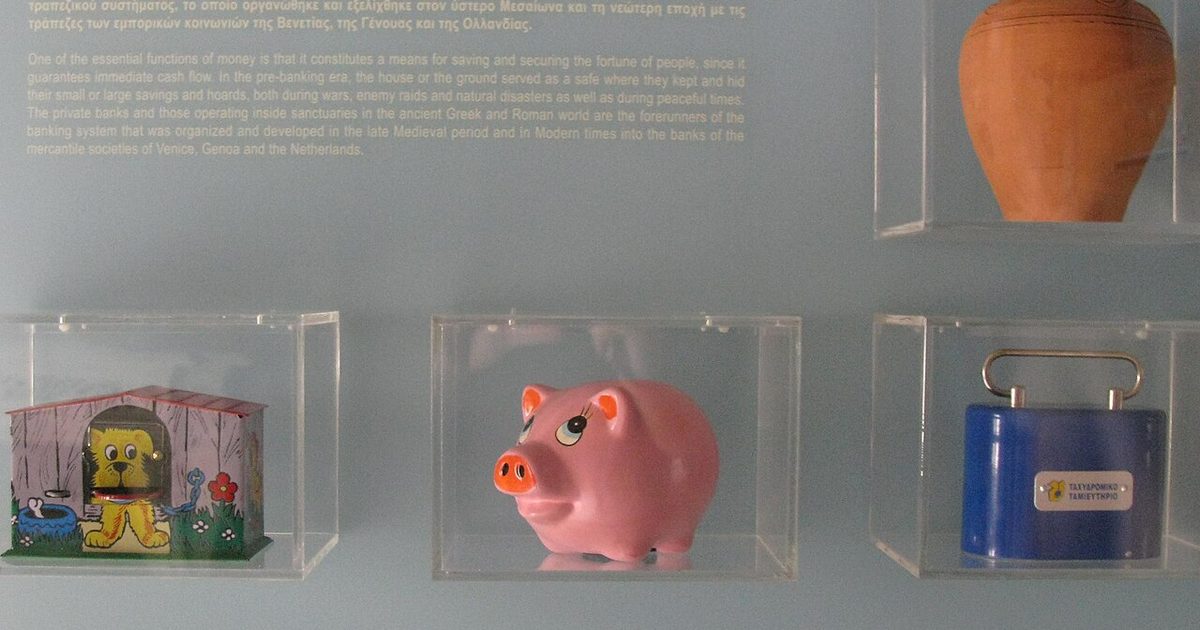
The problem with choosing one side
Debt payoff and emergency savings solve different problems. Debt payoff lowers interest, stress, and future payments; emergency savings stops ordinary problems from becoming new debt. Treat the choice as a sequence. Build a small cash buffer, attack expensive debt, then return to a fuller emergency fund when the worst balances are gone. This is general information, not personal advice. The right order can change with income, dependants, job security, and debt terms. The aim is a repeatable choice you can make on an ordinary payday, not a perfect plan that only works when life is quiet. Write the rule down, try it for two pay cycles, and adjust the amount when the evidence says it is too tight or too loose.
Build a starter buffer first
A starter buffer is not a full emergency fund. It is the first layer of protection between you and fresh debt when a tyre, prescription, school cost, or small repair appears. Pick an amount that fits common surprises in your life. For some people that is a few hundred; for others it is closer to one month of essential expenses. The trade-off is that debt payoff starts a little later. The benefit is that the next small problem is less likely to go back on the card. The aim is a repeatable choice you can make on an ordinary payday, not a perfect plan that only works when life is quiet. Write the rule down, try it for two pay cycles, and adjust the amount when the evidence says it is too tight or too loose.

List debts by cost and pressure
Debt feels foggy until it is written down. Balance, minimum payment, interest rate, due date, and account status all matter. Check statements or lender portals rather than guessing rates. Mark high-interest debts and any debts at risk of missed payments, fees, or collection pressure. The highest rate often deserves attention first, but a lower-rate account with urgent risk may need action before optional extra payments elsewhere. The aim is a repeatable choice you can make on an ordinary payday, not a perfect plan that only works when life is quiet. Write the rule down, try it for two pay cycles, and adjust the amount when the evidence says it is too tight or too loose.
Avalanche or snowball
The avalanche method targets the highest-rate debt first and can save interest. The snowball method targets the smallest balance first and can create faster wins. Choose the method you will finish. You can also clear one small balance for breathing room, then switch to the highest-rate debt. The trade-off is maths versus motivation. Either method beats spreading small extra payments everywhere without seeing progress. The aim is a repeatable choice you can make on an ordinary payday, not a perfect plan that only works when life is quiet. Write the rule down, try it for two pay cycles, and adjust the amount when the evidence says it is too tight or too loose.
Pros and cons of saving first
Pros: saving first creates breathing room, reduces panic, and prevents small emergencies from becoming new debt. It can suit irregular income, dependants, car reliance, or repair risk. Use saving first as a starter step, not a reason to avoid the debt list. Once the buffer exists, decide whether extra cash is protecting you or delaying payoff. The downside is that expensive debt may cost more for longer if you build too large a fund before attacking it. The aim is a repeatable choice you can make on an ordinary payday, not a perfect plan that only works when life is quiet. Write the rule down, try it for two pay cycles, and adjust the amount when the evidence says it is too tight or too loose.
Pros and cons of debt first
Pros: paying expensive debt first can reduce interest, lower stress, and free future cashflow. It gives a clear target and visible progress. Keep a starter buffer before sending every spare dollar to debt. Look one month ahead for known bills so you do not pay debt today and borrow for the bill tomorrow. The downside is fragility. Without any cash, one emergency can undo weeks of good payments. The aim is a repeatable choice you can make on an ordinary payday, not a perfect plan that only works when life is quiet. Write the rule down, try it for two pay cycles, and adjust the amount when the evidence says it is too tight or too loose.
When minimum payments are too much
If minimum payments already exceed safe cashflow, extra-payment strategies are not enough. Essentials and account safety come first. Prioritise housing, food, utilities, transport to work, needed insurance, and minimum payments where possible. Contact lenders early, ask about hardship options, and keep notes. If debt is unmanageable, speak with a qualified independent credit counsellor or financial counsellor in your country because legal rights and collection rules are local. The aim is a repeatable choice you can make on an ordinary payday, not a perfect plan that only works when life is quiet. Write the rule down, try it for two pay cycles, and adjust the amount when the evidence says it is too tight or too loose.
How to split extra money
A split can let you save and pay debt at the same time. Until the starter buffer exists, send most extra money to savings and a smaller amount above minimums to debt. After the buffer exists, reverse the split: most extra money to the target debt and a small automatic amount to savings so the habit stays alive. The exact ratio can be 80/20, 70/30, or another mix. Consistency matters more than a perfect formula. The aim is a repeatable choice you can make on an ordinary payday, not a perfect plan that only works when life is quiet. Write the rule down, try it for two pay cycles, and adjust the amount when the evidence says it is too tight or too loose.
What changes with irregular income
Irregular income needs more focus on timing. A good month can hide a weak next month if all extra money leaves immediately. Build a next-month bucket where extra income waits to fund lean weeks. Pay debt from money above that baseline, not from money needed to survive the next low pay cycle. This slows payoff in strong weeks, but it prevents the cycle of paying extra and then using credit again when income dips. The aim is a repeatable choice you can make on an ordinary payday, not a perfect plan that only works when life is quiet. Write the rule down, try it for two pay cycles, and adjust the amount when the evidence says it is too tight or too loose.
A simple worked order
Imagine you have 900 in card debt, no savings, and 150 spare across the month after minimum payments. For the first few months, you might send 120 to a starter buffer and 30 extra to debt until the buffer reaches a useful number. After that, switch to 120 extra to the debt and 30 to savings. When the card is gone, the old debt payment can build the fuller emergency fund. The numbers are only an example, but the order is the point: protect against small shocks, then press harder on the expensive balance.
What counts as an emergency
An emergency is necessary, unexpected, and time-sensitive. A medical gap, urgent car repair, job loss, essential appliance failure, or emergency travel may qualify. A sale, holiday, routine birthday, annual bill, or planned car service usually does not. Those belong in planned sinking funds, not the emergency fund. This distinction protects the buffer. If every uncomfortable cost becomes an emergency, the account will never grow. If you are unsure, ask: would delaying this cost create a real risk or just inconvenience? That question keeps the fund for true protection.
How to stay motivated
Debt payoff can feel slow after the first burst of energy. Track more than the balance. Track interest avoided, months with no new debt, the number of payments made on time, and the size of the starter buffer. If motivation matters, use a visible progress bar or cross off each 50 or 100 paid. If privacy matters, keep the tracker in notes. The aim is not to turn debt into a game; it is to create proof that the plan is moving. Money stress often makes progress feel invisible unless you record it.
Review after each change
Review the order whenever income, rent, family costs, interest rates, or job security changes. A plan that was right six months ago may need a different split now. Keep the sequence, but adjust the amounts to match today.
Verdict: use a sequence, not a slogan
For many tight budgets, the calm order is starter emergency buffer, current minimums, expensive debt attack, then fuller emergency fund. Stable earners may lean harder into debt; higher-risk households may need more cash first. Use the MoneySights emergency fund guide to choose your starter number, then write one debt target for the next 90 days. Savings and debt payoff are teammates, not enemies. The bottom line is to stop the next emergency from creating the next balance. The aim is a repeatable choice you can make on an ordinary payday, not a perfect plan that only works when life is quiet. Write the rule down, try it for two pay cycles, and adjust the amount when the evidence says it is too tight or too loose.
Questions
Should I invest while paying high-interest debt?
Be careful. High-interest consumer debt can cost more than a typical low-risk return. Employer matches and tax rules vary, so get advice if unsure.
How big should my starter emergency fund be?
Pick an amount that covers common small shocks in your life. Some need a few hundred; others need closer to one month of essentials.
Should I use my emergency fund to pay debt?
Usually keep at least a starter buffer. Using every dollar on debt may push the next surprise back onto credit.
What if my debt has no interest?
Make required payments, but no-interest debt may be less urgent than safety money or higher-rate balances. Check when promotional rates end.
General information, not financial advice.